
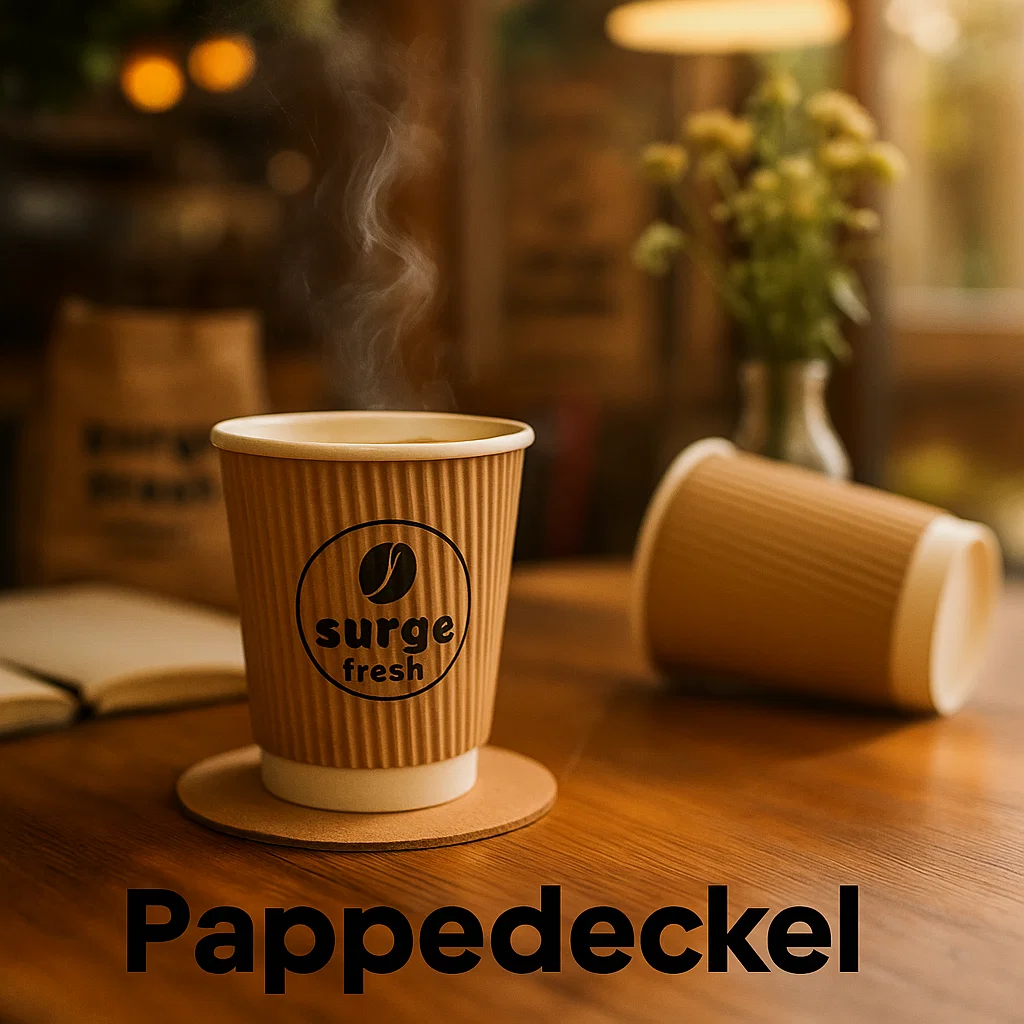
Pappedeckel is an innovative and eco-friendly packaging solution that is steadily gaining popularity in modern industries. Unlike traditional plastic lids and containers, Pappedeckel is made from cardboard or paperboard, making it a sustainable alternative that reduces environmental impact. Its use spans food packaging, retail, crafts, and even creative branding, offering both functionality and aesthetic appeal.
With growing awareness of climate change and environmental sustainability, businesses and consumers alike are turning to Pappedeckel as a practical solution. Its lightweight design, recyclability, and adaptability to different packaging needs make it an attractive choice for a wide range of industries. Understanding Pappedeckel, its benefits, and applications can help companies make informed decisions while contributing to a greener planet.
Understanding Pappedeckel
What is Pappedeckel?
Pappedeckel is essentially a cardboard or paperboard lid designed to cover containers. Its primary function is to protect products during transport, storage, and display. Unlike plastic or synthetic materials, Pappedeckel is biodegradable, often made from recycled fibers, and can be customized for branding purposes.
Origins and Evolution of Cardboard Packaging
The concept of cardboard packaging dates back to the 19th century when manufacturers sought a lightweight and cost-effective alternative to wooden crates. Over time, innovations in material science have led to more durable, eco-friendly, and versatile cardboard products. Pappedeckel is a modern evolution of this concept, specifically tailored for lids and covers, offering protection without harming the environment.
Difference Between Pappedeckel and Other Packaging Materials
Unlike plastic or aluminum lids, Pappedeckel is fully biodegradable and recyclable. While plastic contributes to long-lasting waste and pollution, Pappedeckel decomposes naturally and can be reused in the production of new cardboard products. It is also lighter, reducing shipping costs and energy consumption during transportation.
How Pappedeckel Works in Modern Packaging
The Process of Designing and Manufacturing
Creating Pappedeckel begins with selecting high-quality paperboard or cardboard. The material is then cut into the desired shape and size, sometimes embossed or printed for branding purposes. Modern manufacturing techniques allow for precise, consistent production, ensuring that each lid fits securely and functions effectively.
How it Protects Products During Storage and Shipping
Pappedeckel provides a protective layer over containers, preventing spills, contamination, and damage during transport. Its sturdy construction ensures that products remain intact, whether they are food items, retail goods, or delicate crafts.
Role in Branding and Customer Experience
In addition to protection, Pappedeckel can be customized with logos, patterns, or colors to enhance branding. Companies use printed lids to create a premium unboxing experience, reinforcing brand identity and customer engagement.
Key Benefits of Using Pappedeckel
Cost-Effectiveness Compared to Alternatives
Pappedeckel is relatively inexpensive to produce and purchase compared to plastic or metal lids. Its lightweight design reduces shipping costs, and its recyclability can lower waste management expenses.
Eco-Friendly and Recyclable Nature
The primary appeal of Pappedeckel is its environmental benefit. Being biodegradable and often made from recycled materials, it reduces landfill waste and encourages sustainable practices.
Versatility Across Industries
Pappedeckel is not limited to food packaging. It is widely used in retail, stationery, crafts, and event planning. Its adaptable design makes it suitable for both commercial and personal use.
Lightweight Yet Durable Qualities
Despite being made from cardboard, Pappedeckel is strong enough to withstand daily handling and transport. Its durability ensures that products remain secure without the weight of heavier materials.
Materials and Manufacturing Process
Types of Cardboard and Papers Used
Pappedeckel is typically made from corrugated cardboard, kraft paper, or recycled paperboard. These materials provide the necessary rigidity while remaining environmentally friendly.
Step-by-Step Look into Production
The manufacturing process includes cutting, folding, shaping, and optionally printing or embossing the cardboard. Modern automated machines allow mass production with precision, while some artisanal methods focus on unique, customized designs.
Innovations in Material Technology
Recent innovations include moisture-resistant coatings made from plant-based substances and reinforced cardboard layers for added strength. These advancements expand the range of applications for Pappedeckel while maintaining sustainability.
Environmental Impact and Sustainability
Biodegradability and Recycling Potential
Unlike plastics that take centuries to degrade, Pappedeckel naturally decomposes in a few months. Its recyclability allows it to re-enter the production cycle, reducing the need for virgin materials.
Contribution to Reducing Plastic Waste
By replacing disposable plastic lids, Pappedeckel plays a direct role in decreasing environmental pollution. It aligns with global initiatives to reduce single-use plastics and carbon footprints.
How it Supports Circular Economy Practices
Pappedeckel encourages a circular economy by promoting the use of recycled materials and facilitating sustainable disposal. Businesses adopting these lids demonstrate environmental responsibility, enhancing their brand reputation.
Creative and Common Uses of Pappedeckel
Food Packaging
Pappedeckel is widely used to cover cups, plates, and takeaway containers. Its eco-friendliness appeals to health-conscious and environmentally aware consumers.
Retail Packaging and Shipping Boxes
Retailers use Pappedeckel to secure products, from clothing accessories to small electronics, ensuring safe delivery while reducing packaging waste.
Stationery, Crafts, and DIY Projects
Creative individuals use Pappedeckel in art projects, scrapbooking, and DIY home decor. Its lightweight nature makes it easy to cut, fold, and design.
Event Decorations and Creative Branding
From weddings to corporate events, Pappedeckel can be customized with prints, patterns, or logos to enhance the visual appeal of packaging or table setups.
Case Studies and Real-World Applications
Brands Successfully Using Pappedeckel
Several eco-conscious food brands have switched from plastic lids to Pappedeckel, highlighting its practicality and sustainability.
Startups Switching from Plastic to Cardboard
Small businesses have adopted Pappedeckel to reduce costs, improve brand image, and meet customer demand for eco-friendly packaging.
Innovative Projects and Eco-Friendly Campaigns
Companies promoting zero-waste initiatives often include Pappedeckel in their campaigns, showcasing creative ways to combine utility and sustainability.
Popular Designs and Packaging Trends
Minimalist and Eco-Conscious Designs
Simple, natural-looking designs emphasize sustainability and appeal to environmentally aware consumers.
Printed and Customized Pappedeckel
Printing logos, patterns, or messages on lids provides branding opportunities and a premium look.
Luxury Branding with Cardboard Packaging
Even high-end brands are exploring cardboard lids with creative textures and finishes to offer a luxury, eco-friendly alternative.
Future Design Innovations
Technology may soon enable interactive packaging, QR codes, or smart labels integrated with Pappedeckel for marketing or tracking purposes.
Challenges and Limitations of Pappedeckel
Durability in Extreme Conditions
Cardboard may not perform well under excessive moisture or weight, limiting its use in certain environments.
Moisture Resistance Issues
While coatings can help, prolonged exposure to liquids may weaken the material.
Balancing Cost and Sustainability
Premium eco-friendly designs may be slightly more expensive, requiring businesses to find the right balance between cost and environmental impact.
Future of Pappedeckel in Packaging
Growing Demand for Sustainable Solutions
As consumers demand greener options, the adoption of Pappedeckel is likely to increase across food, retail, and craft industries.
Role of Technology and Smart Packaging
Innovations such as biodegradable coatings, smart printing, and AI-assisted design can enhance usability and appeal.
Predictions for Global Adoption
With sustainability becoming a priority worldwide, Pappedeckel may emerge as a standard replacement for plastic lids, contributing to a circular economy.
Conclusion
Pappedeckel represents a simple yet powerful solution for sustainable packaging. It combines eco-friendliness, functionality, and creative possibilities, making it suitable for businesses and individuals alike. Adopting Pappedeckel can reduce environmental impact, improve brand perception, and meet the growing demand for green alternatives. By embracing these biodegradable cardboard lids, we take a small but significant step toward a more sustainable future.
FAQs
Is Pappedeckel completely biodegradable?
Yes, most Pappedeckel lids are made from biodegradable materials that decompose naturally within months.
Can Pappedeckel replace plastic packaging in all industries?
While ideal for food, retail, and craft applications, extreme conditions may require specialized solutions.
How strong is Pappedeckel for heavy items?
Reinforced designs can handle moderate weight, but very heavy products may need additional support.
What are the costs compared to traditional packaging?
Pappedeckel is generally cost-effective, especially when considering shipping savings and sustainability benefits.
What future innovations can we expect in Pappedeckel?
Expect smart coatings, printed QR codes, interactive packaging, and stronger biodegradable materials for expanded use.
Read More: 486 Gelyney Extractor Hood – Stylish, Powerful & Efficient Upgrade