
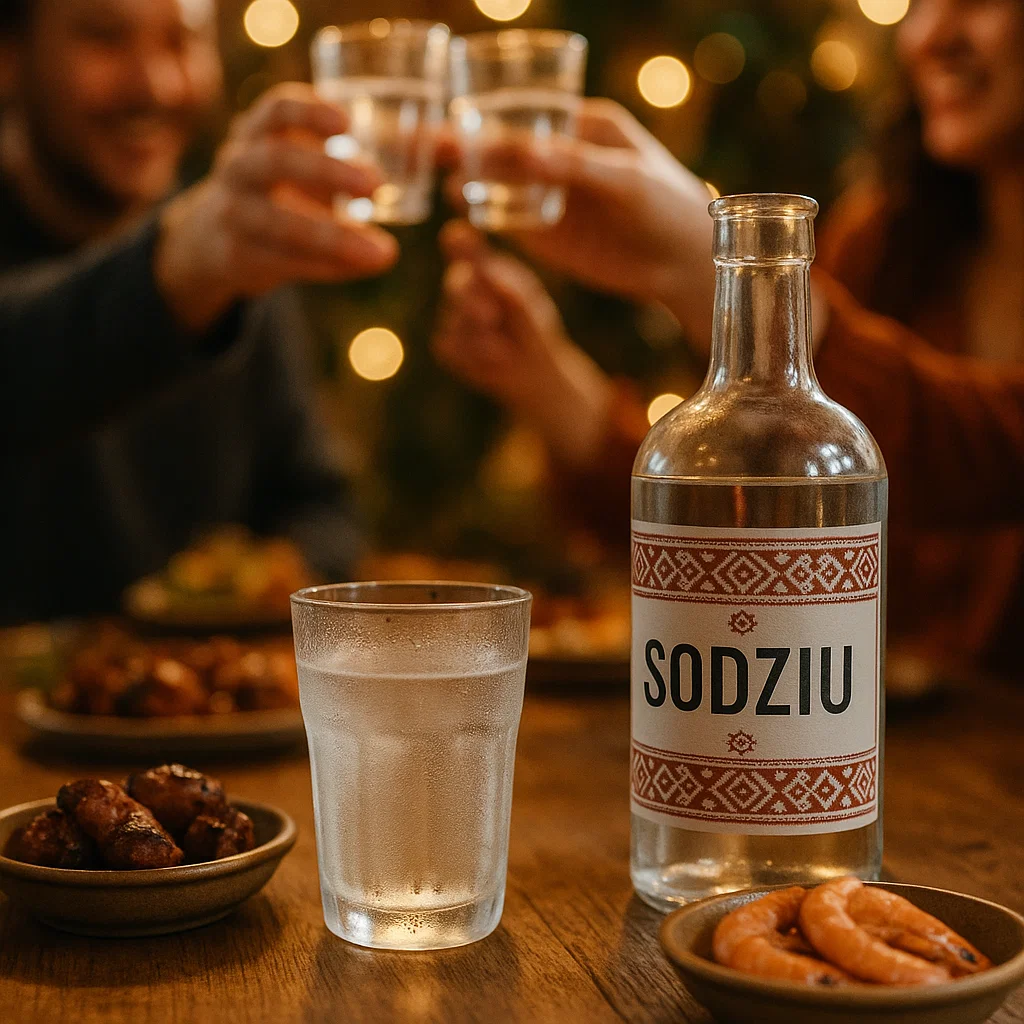
Sodziu is a fascinating term with multiple cultural layers. Whether you are exploring Lithuanian rural heritage or discovering Korean beverages, Sodziu represents a rich blend of tradition, flavor, and history. This guide dives deep into what Sodziu is, its origins, popular uses, unique flavors, and why it is capturing attention around the world.
What is Sodziu?
Sodziu has diverse meanings depending on the context. In Lithuania, it traditionally refers to small rural settlements or homesteads, symbolizing community, farming, and cultural continuity. These villages often carry generations of history, rituals, and traditional practices, reflecting a deep connection to nature and local heritage.
In Korean culture, Sodziu refers to a rice-based alcoholic beverage similar to soju or sake but distinct for its low alcohol content, smooth texture, and probiotic properties. This beverage has become popular not only in Korea but in international culinary circles, thanks to its unique flavor and health benefits.
Sodziu, therefore, embodies both place and taste, carrying stories of heritage and culinary tradition across continents.
Origins of Sodziu: From Villages to Beverages
Lithuanian Roots
The Lithuanian Sodziu, or sodžius, historically refers to small village homesteads, often surrounded by farms, orchards, and communal spaces. These settlements served as centers of agricultural life and social cohesion. Families living in sodžius often passed down farming knowledge, folk stories, and cultural practices, making the term more than a location—it represents a lifestyle and tradition.
Korean Beverage
On the other side of the world, Sodziu, as a beverage, has roots in East Asian fermentation traditions. It is made from rice, barley, or sweet potatoes, resulting in a smooth, light alcoholic drink. Historically, it was consumed during celebrations, rituals, and social gatherings, forming part of the cultural fabric of Korean life. Today, modern variations emphasize health-conscious ingredients, like probiotics, making Sodziu appealing to a global audience.
Cultural Significance of Sodziu
Sodziu is more than just a place or a drink; it carries cultural weight in both contexts.
In Lithuania
- Represents community heritage and family traditions.
- Serves as a symbol of sustainable living and connection to nature.
- Preserves folk rituals and traditional celebrations.
In Korea
- Embodies social bonding and hospitality.
- Part of traditional ceremonies and modern culinary experiences.
- Serves as a healthy, artisanal alternative to stronger alcoholic beverages.
By understanding Sodziu, one gains insight into the values, history, and daily life of the cultures it represents.
Main Uses of Sodziu
Sodziu is versatile and has several practical and cultural uses:
As a Village Concept
- Provides a framework for community living and social structure.
- Encourages agricultural education and preservation of local customs.
- Acts as a hub for cultural festivals, local crafts, and communal projects.
As a Beverage
- Consumed during meals or celebrations.
- Used in culinary recipes, including cocktails and traditional Korean dishes.
- Appreciated for its probiotic benefits and digestive aid properties.
Whether as a cultural symbol or a drink, Sodziu plays a meaningful role in people’s daily lives.
Flavors and Characteristics of Sodziu
Taste Profile
Sodziu has a mild, smooth flavor that differentiates it from stronger alcoholic beverages. Notes of rice, barley, and sometimes sweet potato give it a subtle sweetness. The light fermentation process ensures it is easy to drink, appealing to both casual drinkers and culinary enthusiasts.
Texture
The beverage is clear and silky, with a slightly viscous mouthfeel that enhances its drinking experience. Its smoothness makes it an excellent companion to meals, particularly traditional Korean dishes.
Health Benefits
Modern Sodziu often incorporates probiotics, helping with digestion and gut health. The moderate alcohol content allows it to be consumed responsibly while still offering social and culinary enjoyment.
How Sodziu is Made
The preparation of Sodziu varies slightly depending on the region or purpose:
Korean Sodziu Production
- Ingredients: Rice, barley, or sweet potatoes.
- Fermentation: Controlled fermentation produces low alcohol and a smooth flavor.
- Filtration: The liquid is clarified while retaining nutrients and probiotics.
- Bottling: Packaged for consumption, sometimes flavored with natural extracts for modern variations.
Lithuanian Sodžius Maintenance
While not a beverage, maintaining a sodžius involves:
- Preserving traditional farmhouses and orchards.
- Following sustainable agricultural practices.
- Organizing local festivals or educational tours to keep culture alive.
Global Appeal of Sodziu
Sodziu’s combination of tradition, taste, and cultural significance has made it increasingly popular globally:
- Culinary Trend: Featured in international food festivals and gourmet kitchens.
- Cultural Tourism: Lithuanian villages attract tourists seeking authentic rural experiences.
- Health-Conscious Drinking: Korean Sodziu’s low alcohol and probiotic benefits appeal to mindful consumers.
- Social Media Buzz: Unique flavor and presentation make Sodziu shareable and trendy online.
Its dual nature—as a place and a beverage—makes it an intriguing topic for travelers, foodies, and culture enthusiasts.
Sodziu in Modern Culture
Sodziu has seamlessly transitioned from tradition to modern relevance:
- Fusion Recipes: Chefs incorporate Sodziu into cocktails, desserts, and innovative meals.
- Educational Programs: Lithuanian sodžius host workshops on farming, heritage, and traditional crafts.
- Digital Presence: Online communities share recipes, stories, and experiences, bridging generations and geographies.
The combination of authenticity and adaptability ensures Sodziu remains relevant today.
Tips for Experiencing Sodziu
Visiting a Lithuanian Sodžius
- Engage in local activities like fruit picking, craft workshops, and cooking traditional dishes.
- Respect local traditions and learn from elder community members.
- Explore regional festivals that showcase music, dance, and folklore.
Tasting Korean Sodziu
- Serve slightly chilled to enjoy subtle flavors.
- Pair with traditional Korean meals such as bibimbap, grilled fish, or fermented vegetables.
- Experiment with cocktails or mix with fruit juices for creative beverages.
These tips enhance the overall appreciation of Sodziu’s cultural and sensory experiences.
Why Sodziu is Unique
Sodziu’s uniqueness comes from its blend of tradition, taste, and storytelling:
- Represents a living history in Lithuanian villages.
- Offers a low-alcohol, probiotic beverage in Korea.
- Bridges cultural gaps, making it accessible to international audiences.
- Promotes sustainable and mindful living through heritage preservation and healthy consumption.
This combination of features ensures Sodziu remains relevant, respected, and celebrated worldwide.
Challenges and Considerations
While Sodziu is widely appreciated, there are some considerations:
- Authenticity: Modern variations may alter traditional flavors or methods.
- Accessibility: Some regions or countries may have limited availability.
- Cultural Understanding: Appreciating Sodziu fully requires knowledge of its historical and cultural context.
Being aware of these factors enhances the experience and appreciation of Sodziu.
The Future of Sodziu
The popularity of Sodziu is growing, and its future looks promising:
- Global Culinary Expansion: More restaurants and bars are featuring Sodziu in creative dishes and drinks.
- Cultural Preservation: Lithuanian villages continue to educate tourists and maintain traditions.
- Health and Wellness Trends: Korean Sodziu aligns with the global focus on probiotic and low-alcohol beverages.
As it evolves, Sodziu is likely to bridge traditional heritage and modern lifestyles even further.
Conclusion
Sodziu is more than a word; it is a cultural bridge and sensory delight. From Lithuanian rural homesteads to Korean rice-based beverages, it represents tradition, flavor, and innovation. Its growing global appeal makes it relevant for travelers, food enthusiasts, and cultural explorers.
Whether you are visiting a sodžius in Lithuania or tasting Sodziu in Korea, the experience offers authenticity, health benefits, and enjoyment, making Sodziu a must-discover cultural gem.
FAQs
What is Sodziu in Lithuanian culture?
A traditional rural homestead or village symbolizing community and heritage.
Is Sodziu an alcoholic?
Korean Sodziu is a low-alcohol beverage, usually with 14–24% alcohol content.
Can Sodziu be found outside Korea or Lithuania?
Yes, but availability may vary; specialty stores and cultural festivals are good sources.
What makes Sod ziu unique?
It’s a combination of cultural heritage, adaptive flavor, and modern relevance.
How should Sod ziu be consumed?
Enjoy chilled, paired with meals, or creatively mixed in cocktails for a unique taste.
Read More: MyReadignamga – Stream and Read Thousands of Manga Online